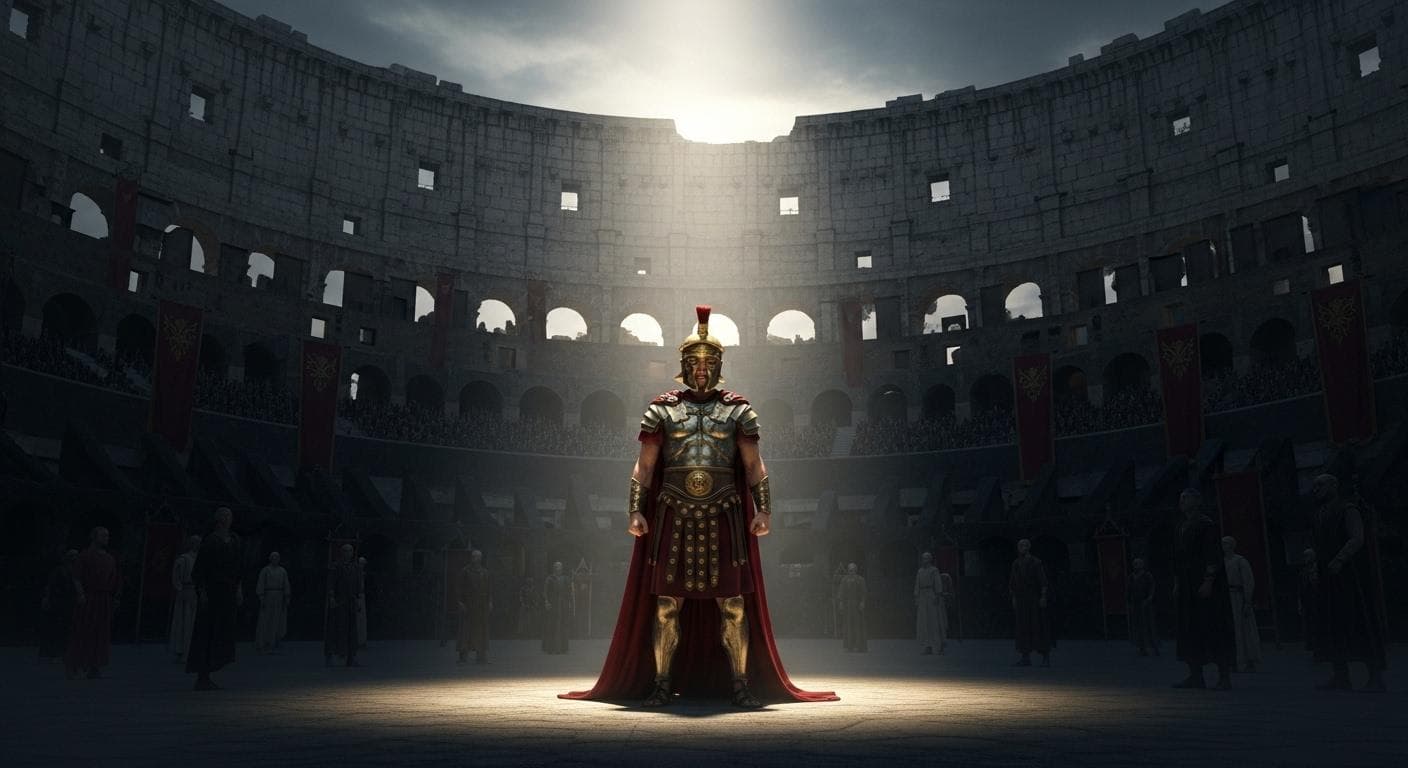
Great systems don't collapse overnight. Whether a multinational corporation or a continent-spanning empire, the final, spectacular failure is almost always preceded by a long period of internal decay. For the Roman Empire, the final blow wouldn't come until 476 CE, but the rot-the deep, systemic infection that crippled its institutions and doomed its future-began much earlier. It began not with a barbarian invasion or a plague, but with a single, catastrophic failure of leadership: the reign of Emperor Commodus. This period of internal decay is a crucial chapter in The Ultimate Guide to the Fall of the Roman Empire.
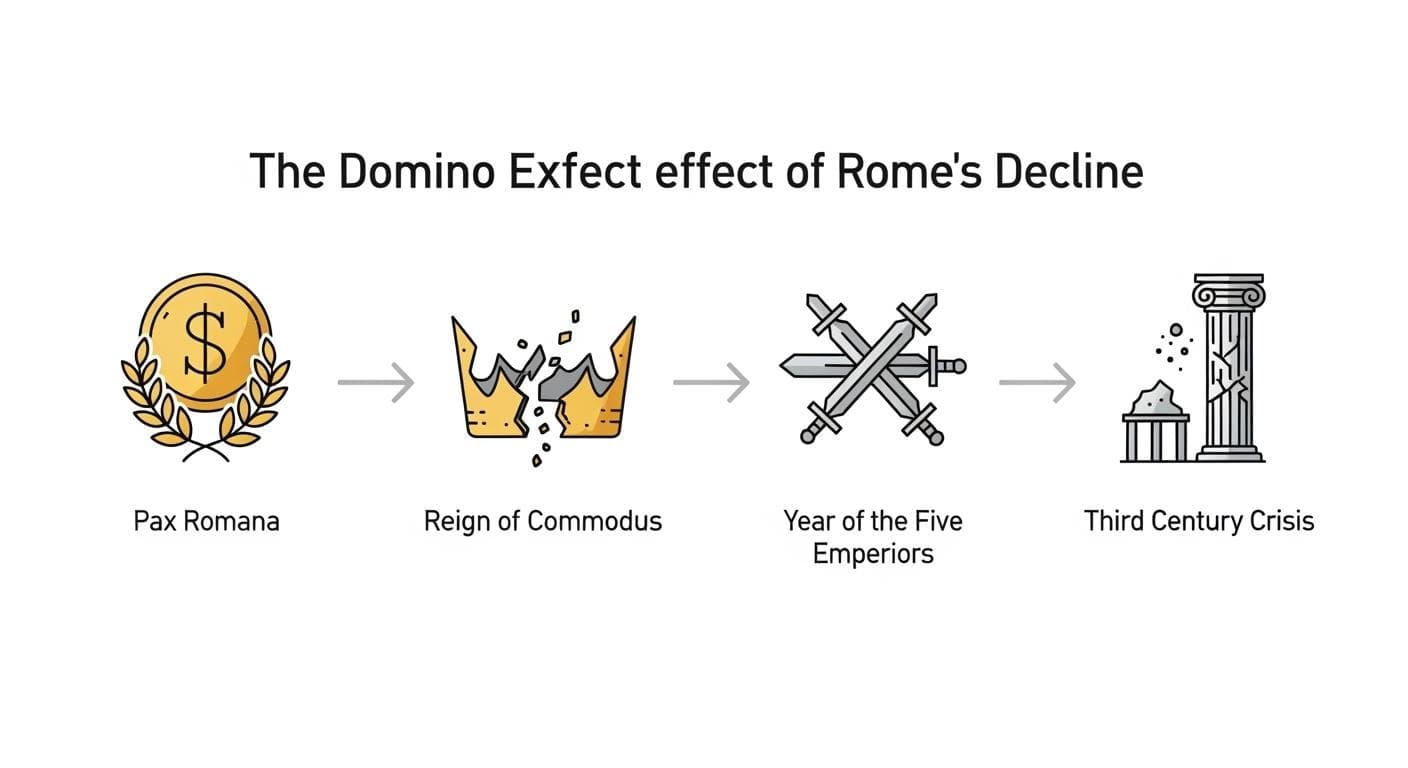
His story is a case study in how the character flaws of one leader can shatter the norms that hold a complex system together, creating a domino effect of chaos. To understand the crisis he unleashed, we must first appreciate the remarkable, yet fragile, stability he inherited.
The Golden Age on a Knife's Edge: The Empire Commodus Inherited
When Commodus came to power in 177 CE, co-ruling with his father Marcus Aurelius, the Roman Empire was at its zenith. This era, known as the period of the "Five Good Emperors," was the high-water mark of the Pax Romana-the "Roman Peace."
The Pax Romana: 200 Years of Unprecedented Stability
For nearly two centuries, the empire had enjoyed a level of peace and prosperity previously unimaginable. A vast network of roads connected territories from Britain to Mesopotamia. A common currency and legal system facilitated trade and communication across diverse cultures. Cities swelled with populations sustained by sophisticated aqueducts and reliable grain shipments from Africa. It was a complex system that, while built on conquest, had matured into a surprisingly stable administrative state.
A System Built on Trust: The Fragility of Imperial Succession
The secret to this long stability was a stroke of genius born from luck. The four emperors preceding Marcus Aurelius had no natural-born sons. This forced them to adopt the most capable and respected man they could find as their heir. This merit-based system-choosing a successor for their competence, not their bloodline-produced a string of exceptional leaders like Trajan, Hadrian, and Antoninus Pius. They were administrators, generals, and statesmen who understood their duty was to the state, not to their own vanity.
Marcus Aurelius, the philosopher king, was the epitome of this ideal. Yet, he made one fateful, sentimental error: he had a biological son. In breaking with the successful adoptive system and naming Commodus as his heir, he unknowingly placed the entire imperial structure into the hands of a teenager who possessed none of his father's discipline, wisdom, or sense of duty.
The First Domino Falls: The Reign of Commodus (177-192 CE)
The fifteen-year reign of Commodus was not merely a period of bad governance; it was a systematic dismantling of imperial dignity and political stability. He replaced the image of the emperor as the first citizen and servant of the state with that of a narcissistic, self-indulgent deity.
From Philosopher's Son to Self-Styled God
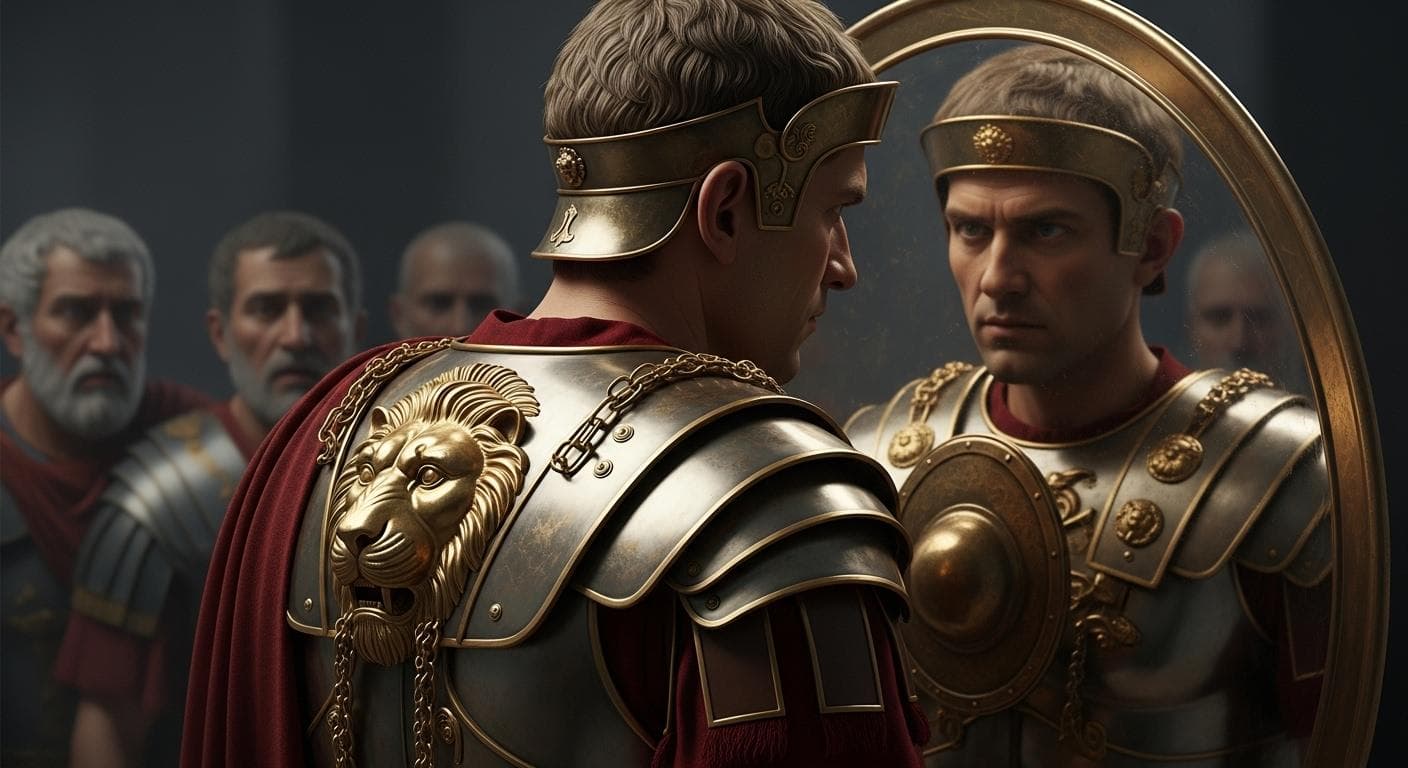
While his father had spent years on the harsh German frontier defending the empire, Commodus had no interest in military matters or administration. He quickly concluded a peace with the Germanic tribes on terms many Romans considered unfavorable and rushed back to the comforts of Rome. His obsession was the gladiatorial arena. He saw himself not as an emperor but as the reincarnation of Hercules, and he frequently entered the Colosseum to fight. These were not honorable contests; his opponents were professional fighters or condemned prisoners who were required to submit to him, making a mockery of genuine combat. For the Roman elite, seeing their emperor-the embodiment of Roman majesty-performing in the sand like a common entertainer was a profound humiliation. It was a rejection of every traditional Roman value.
Emptying the Treasury: How Vanity and Corruption Poisoned the State
Commodus's lifestyle and spectacles were incredibly expensive. He drained the treasury his predecessors had carefully managed. To fund his excesses, he resorted to several destructive tactics:
- Execution for Profit: He initiated treason trials against wealthy senators on fabricated charges, allowing him to execute them and confiscate their fortunes.
- Government by Cronyism: He outsourced the day-to-day running of the empire to a series of corrupt favorites, like his chamberlain Cleander. These officials enriched themselves by selling influence, appointments, and legal pardons, replacing competent administrators with corrupt allies.
- Neglect of Duty: While his favorites ran the state into the ground, Commodus focused on his cult of personality, even renaming Rome "Colonia Commodiana" after himself.
This wasn't just fiscal irresponsibility; it was a poisoning of the state's very foundations. Trust in Roman institutions evaporated.
The Assassination That Broke the Imperial Seal
By 192 CE, the Roman elite had had enough. After a botched poisoning attempt by his mistress and chamberlain, Commodus was strangled in his bath by a wrestler named Narcissus. The Senate immediately declared him a public enemy, had his statues torn down, and attempted to erase his memory from history, a process known as damnatio memoriae.
But the damage was already done. Commodus hadn't just been a bad emperor; he had fundamentally broken the unspoken contract of the Principate, a system established for stability. He had shown that the throne could be used for purely personal gratification, that the military could be ignored, and that the Senate was powerless against a tyrant. His death did not restore order; it created a power vacuum and a dangerous precedent that would immediately plunge the empire into its bloodiest civil war in over a century.
Anarchy Unleashed: The Year of the Five Emperors (193 CE)
The assassination of Commodus kicked over the second domino. Without a clear and respected successor, the question of who would rule was no longer a matter of senatorial debate or adoption-it was a matter of naked power.
Kingmakers for Sale: The Praetorian Guard Auctions the Throne
Commodus's immediate successor, the respectable Pertinax, tried to instill discipline and reform. His fatal mistake was attempting to curb the power and privileges of the Praetorian Guard, the elite soldiers stationed in Rome who served as the emperor's bodyguards. After just 87 days, they stormed the palace and murdered him.
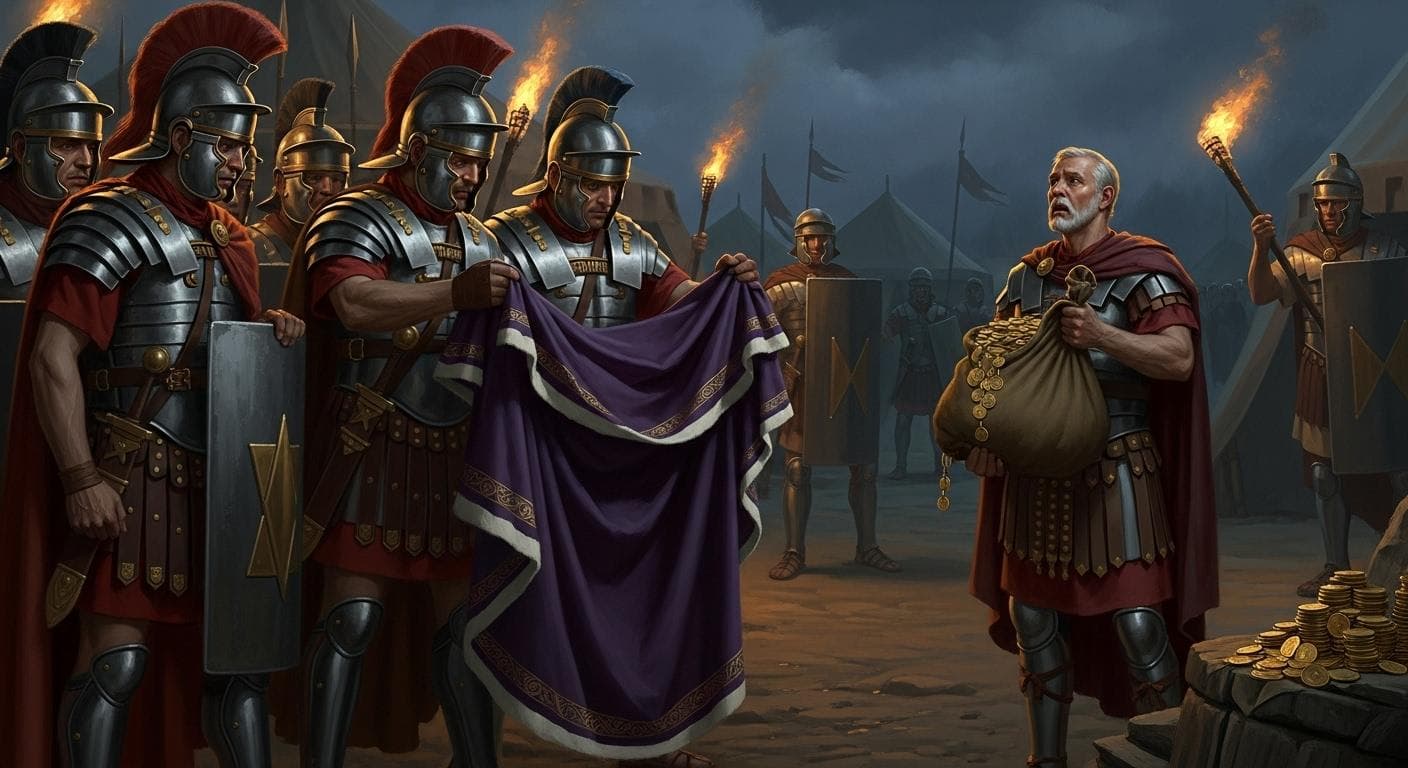
What followed was one of the most shameful episodes in Roman history. The Praetorian Guard effectively auctioned off the emperorship. They stood on the ramparts of their camp and announced that the throne would go to the man who offered them the most money. Two senators bid against each other, with the fabulously wealthy Didius Julianus winning by promising an astronomical 25,000 sesterces to every soldier. This act destroyed any remaining illusion that the emperor was a legitimate magistrate. The throne was now a commodity, to be bought and sold by the military.
Civil War Becomes the New Normal
The provincial armies, long the true source of Roman military power, were outraged. Three powerful generals-Clodius Albinus in Britain, Pescennius Niger in Syria, and Septimius Severus in Pannonia (the Balkans)-each declared themselves emperor. The brief, farcical reign of Didius Julianus ended when Severus marched on Rome. A brutal, four-year civil war ensued, with Severus ultimately emerging victorious in 197 CE.
Septimius Severus stabilized the empire, but he did so by explicitly establishing a new foundation for power. On his deathbed, he famously advised his sons: "Be harmonious, enrich the soldiers, and scorn all other men." The lesson of 193 CE was learned: the emperor no longer needed the Senate or the people, only the army. This principle would become the engine of the chaos to come.
The Third Century Crisis: Rome at War with Itself (235-284 CE)
The Severan dynasty provided a temporary reprieve, but the system was now fundamentally broken. After the last Severan emperor was assassinated in 235 CE, the final and most devastating domino fell, triggering the 49-year span known as the Crisis of the Third Century.
What Was the Crisis? A Simple Definition
The Crisis was a perfect storm of political, military, and economic collapse. The empire was simultaneously afflicted by:
- Constant Civil War: Generals were repeatedly proclaimed emperor by their legions, leading to endless internal conflict.
- Foreign Invasions: With the armies fighting each other, the frontiers weakened, allowing Germanic tribes (like the Goths and Alemanni) and the aggressive Sassanian Empire in Persia to raid and invade Roman territory.
- Total Economic Meltdown: Hyperinflation, the collapse of trade, and the breakdown of the tax system paralyzed the economy.
The "Barracks Emperors": A Revolving Door of Generals and Assassins
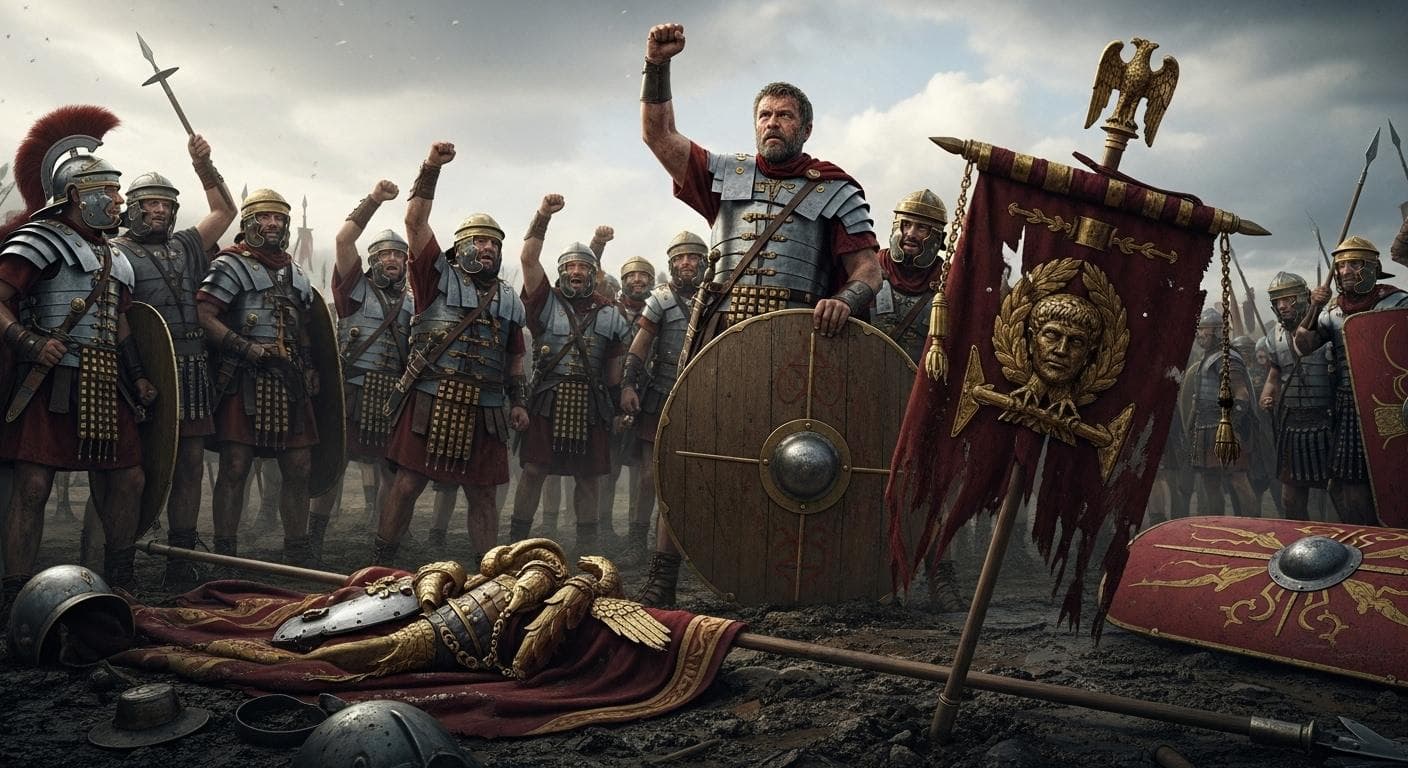
During this period, there were at least 26 officially recognized emperors, and countless more usurpers. The average reign was less than two years. The most common way to leave office was by assassination, usually at the hands of the very soldiers who had elevated you. These rulers are known as the "Barracks Emperors" because their only claim to power was the support of their legions. There was no stability, no long-term planning, and no way to govern-only a constant, desperate struggle for survival.
The Economic Death Spiral: Debasing the Currency to Pay the Armies
How did these short-lived emperors pay the soldiers they depended on? They couldn't raise taxes effectively in the midst of chaos, so they turned to the mints. They began drastically debasing the currency. A silver denarius from the time of Marcus Aurelius was nearly pure silver. To produce more coins with the same amount of precious metal, the Barracks Emperors mixed the silver with base metals like copper and tin. By the height of the crisis, the primary silver coin, the antoninianus, was little more than a bronze coin with a thin silver wash. It contained less than 5% silver.
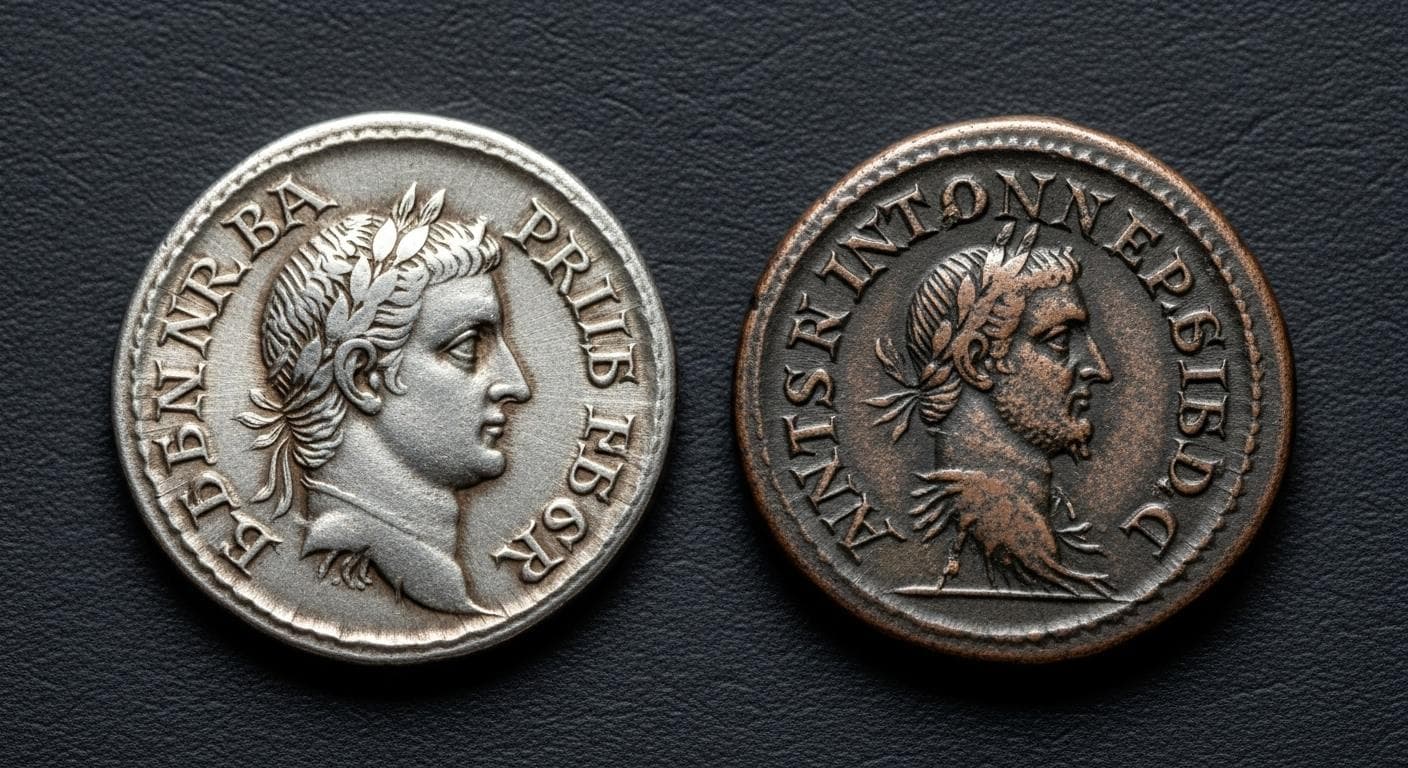
The result was catastrophic hyperinflation. People realized the coins were worthless, so prices for goods like grain and oil skyrocketed. Life savings were wiped out. Trade ground to a halt as bartering replaced a currency no one trusted. The sophisticated Roman economy, the engine of its prosperity, was shattered.
The Empire Fractures: The Gallic and Palmyrene Breakaways
With the central government in Rome consumed by civil war and economic collapse, it lost the ability to protect its own provinces. In a desperate act of self-preservation, large chunks of the empire simply broke away to defend themselves.
Postumus and the Gallic Empire
In 260 CE, the strategically vital provinces of Gaul, Britannia, and Hispania seceded under the general Postumus, forming the Gallic Empire. This was not an anti-Roman rebellion; Postumus created his own Senate and consuls. He was simply doing the job the central government could no longer do: defending the critical Rhine frontier from Germanic incursions.
Queen Zenobia and the Challenge from the East
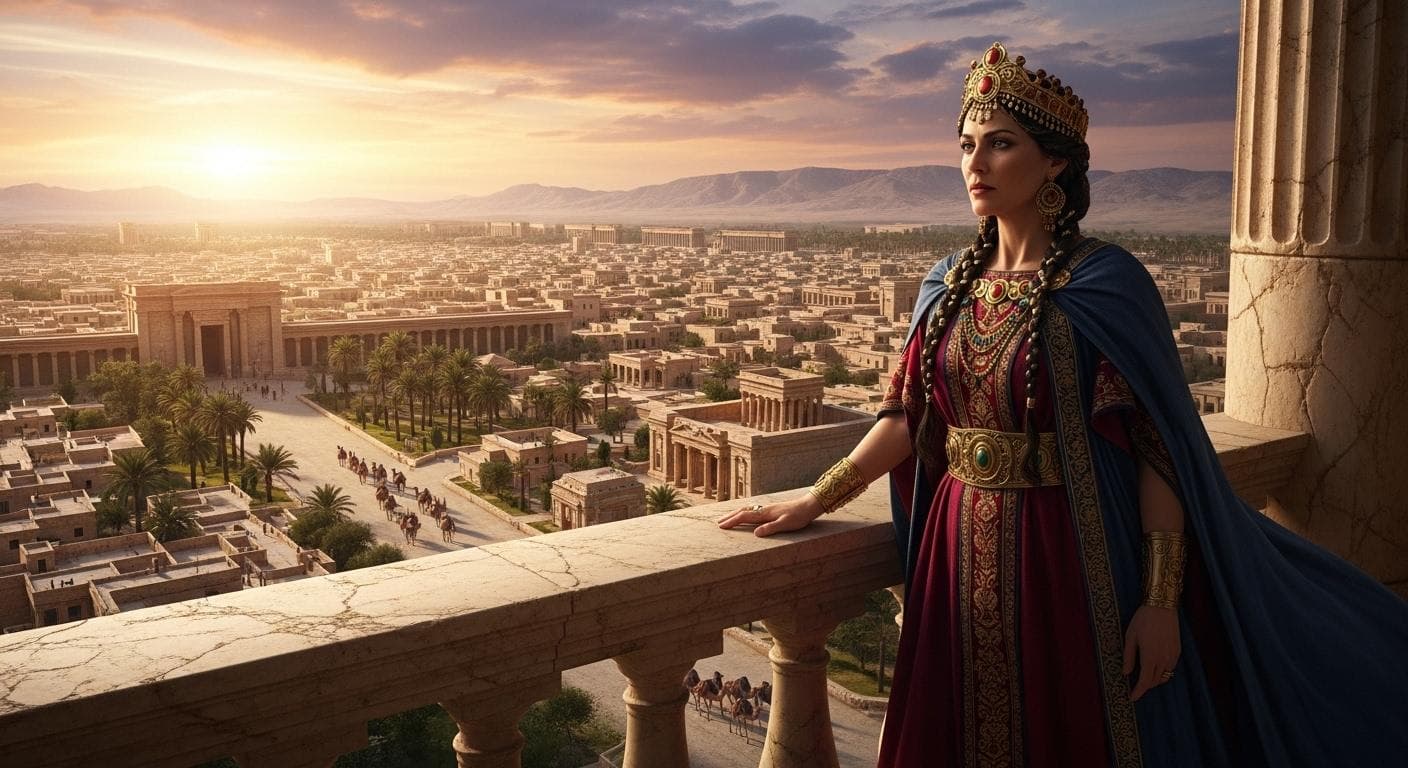
In the East, the brilliant and ambitious Queen Zenobia of Palmyra carved out her own empire from Rome's richest provinces, including Egypt (the empire's breadbasket) and Syria. Like the Gallic Empire, the Palmyrene Empire took over the responsibilities of Rome, defending the eastern frontier from the Persians. For a time, the Roman Empire was fractured into three separate, warring states.
Pulling Back from the Brink: The Soldier Emperors Who Saved Rome
Just as it seemed the empire would disintegrate completely, it was saved by a series of tough, ruthless military emperors who rose from the same Balkan provinces as Septimius Severus. These men were not aristocrats but career soldiers who clawed their way to the top and were singularly focused on restoring order.
Aurelian, "Restorer of the World"
The most effective of these was Aurelian (reigned 270-275 CE). In a whirlwind five-year reign, he achieved the impossible. He defeated multiple barbarian invasions, reconquered the entire Palmyrene Empire from Zenobia, and then turned west and crushed the Gallic Empire, fully reuniting Roman territory. He also began monetary reform and built the massive Aurelian Walls around Rome, a stark admission that the city itself was now vulnerable. For his incredible achievements, the Senate gave him the title Restitutor Orbis-"Restorer of the World."
Diocletian's Radical Solution: The Tetrarchy
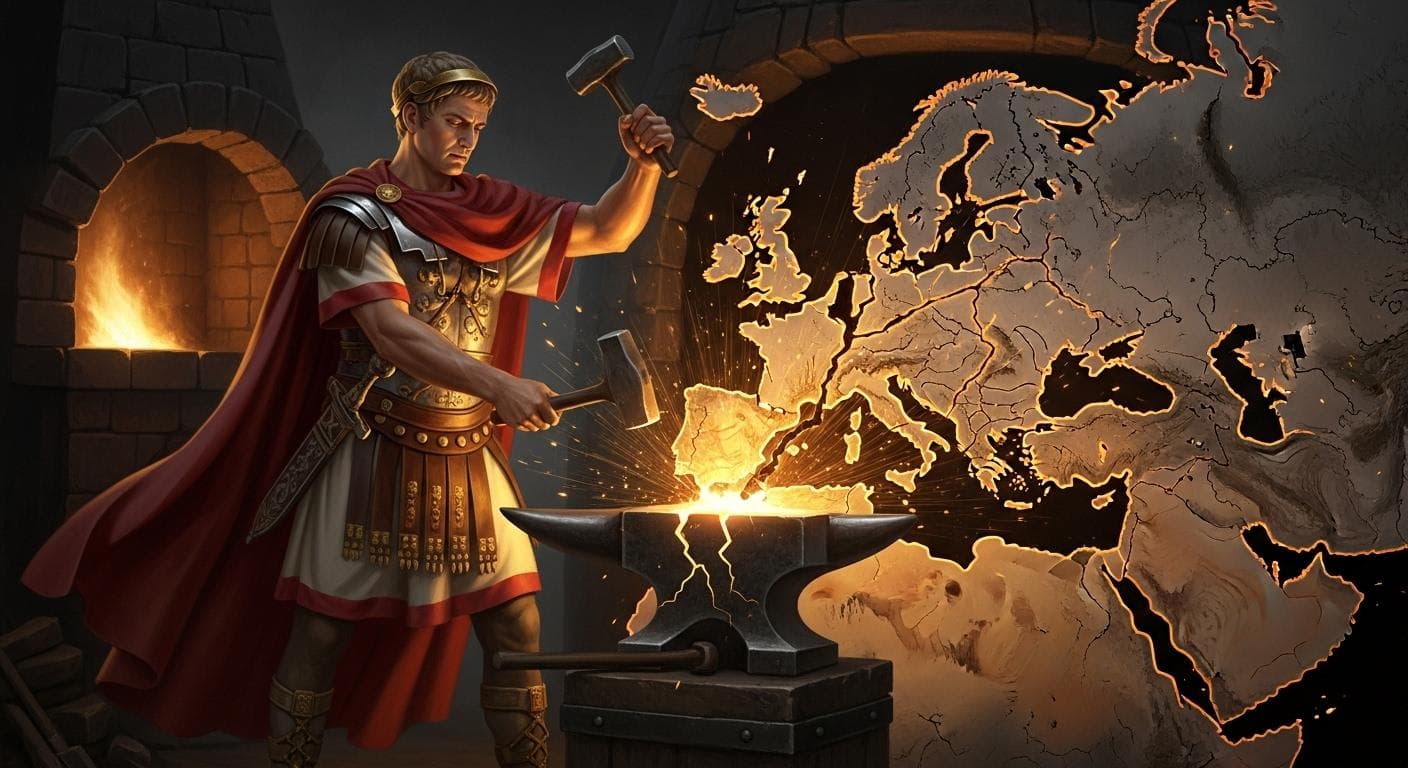
The man who finally ended the crisis was Diocletian (reigned 284-305 CE). He recognized that the old system was dead and could not be revived. The empire was simply too large and faced too many simultaneous threats for one man to manage. His radical solution was the Tetrarchy, or "rule of four." He divided the empire into an eastern and western half, each ruled by a senior emperor (an Augustus) and a junior emperor (a Caesar). This new system provided for orderly succession and allowed for threats on different frontiers to be handled simultaneously. He also enacted sweeping economic and administrative reforms, including a new tax system and the Edict on Maximum Prices, to stabilize the state, creating a more autocratic government that bore little resemblance to the early empire of Augustus. For more on these pivotal changes, read about The Reforms of Diocletian and Constantine.

Conclusion: A Scarred Empire, Forever Changed
Diocletian and his successors saved the Roman Empire from immediate destruction, but the entity they saved was fundamentally altered. It was more militarized, more divided, and far more authoritarian. The crisis it had endured left deep and permanent scars.
Why Commodus Was the True Beginning of the End
The chain of causality is undeniable. The personal indulgence of Commodus shattered the norms of imperial rule. His assassination without a clear heir created a power vacuum that led directly to the Year of the Five Emperors. The civil war of that year established the fatal precedent that the army alone could make an emperor. That precedent became the engine of the Third Century Crisis, where legion after legion put forth their own candidates for the throne. The resulting chaos necessitated the iron-fisted, top-down solutions of Diocletian, which laid the groundwork for the eventual permanent split between the Eastern and Western Empires.
The Seeds of the Final Fall Were Sown
While the Western Roman Empire would limp on for another two centuries, it never truly recovered from the wounds of the third century. The economic base was shattered, the political system was brittle, and its reliance on a massive, expensive military was unsustainable. The "fall" in 476 CE was merely the moment a long-sick patient finally succumbed to its illness. The diagnosis, however, could be traced back to 192 CE, when the death of a single, narcissistic emperor proved that Rome's greatest threat was never a foreign army, but the rot that grew from within.
What do you believe was the most critical factor in Rome's near-collapse during the Third Century Crisis: the constant political assassinations, the hyperinflation from currency debasement, or the pressure from external invasions? For a deeper dive into these and other contributing elements, see Analyzing the Collapse: Key Factors in Rome's Military and Political Decline. Share your perspective in the comments below.

Comments
We load comments on demand to keep the page fast.