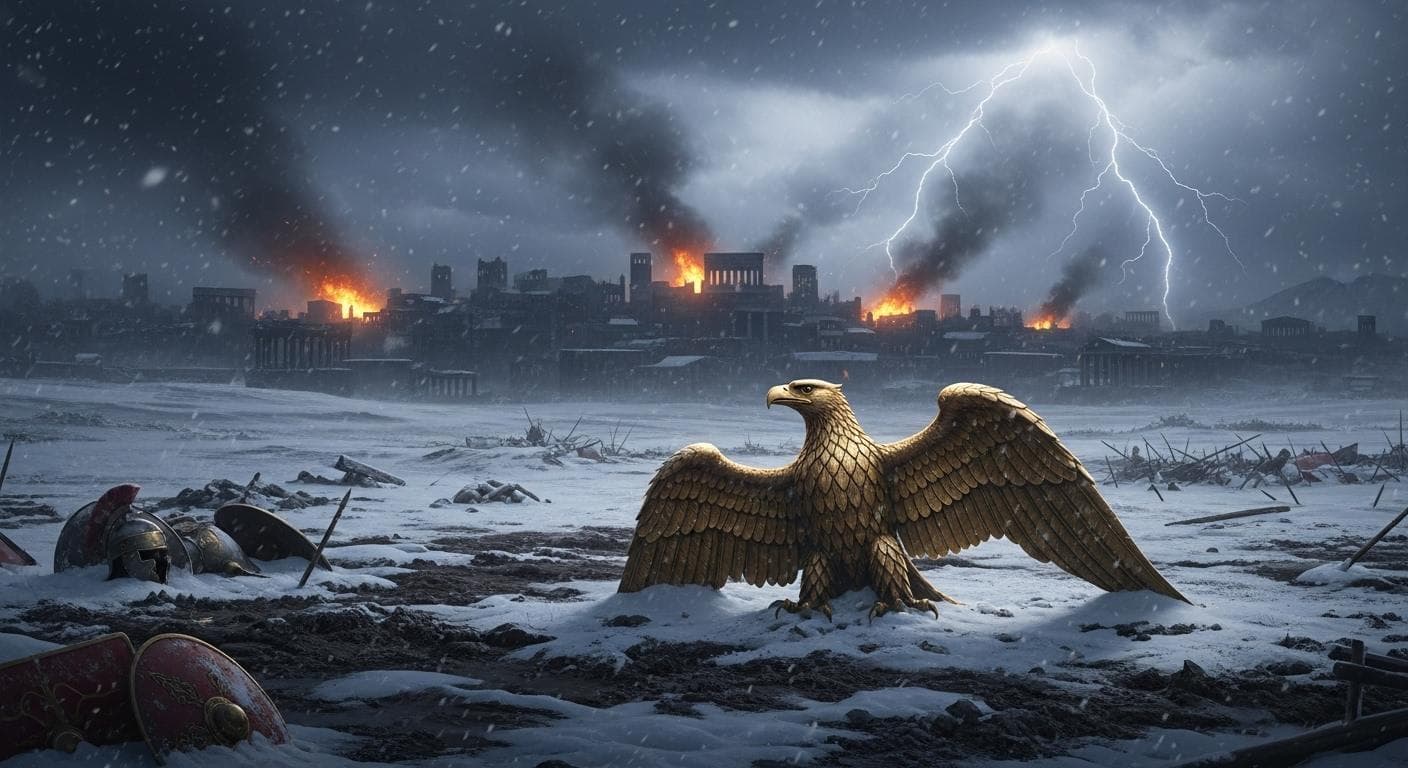
Introduction: The End of an Era in 476 AD
For centuries, the Roman Empire was more than a nation; it was the world order. Its legions were invincible, its engineering was legendary, and its laws formed the bedrock of Western civilization. From its earliest expansions and transformation from a Republic to a sprawling Empire under figures like Julius Caesar and Augustus, Rome’s golden eagle standard, the Aquila, symbolized unmatched power and permanence. At its zenith, governing over 5 million square kilometers and a population of some 60 million people, the idea that it could ever cease to exist was unthinkable.
And yet, it ended. The traditional date given for this monumental collapse is 476 AD. But the end of the Western Roman Empire was not a single, fiery cataclysm. It was a slow, complex, and agonizing process of systemic decay, a death by a thousand cuts that unfolded over generations. The final moment was less of a bang and more of a quiet, exhausted whimper.
Setting the Scene: A Barbarian King on a Roman Throne
In that fateful year of 476 AD, a Germanic chieftain named Odoacer led a revolt of the barbarian mercenaries who made up the bulk of Italy’s army. He marched on the capital, Ravenna, and faced the last Western Roman Emperor. This emperor, ironically named Romulus Augustulus, combined the names of Rome’s mythical founder and its first emperor. But he was no legendary figure; he was a powerless teenager, a puppet placed on the throne by his father, the powerful general Orestes.
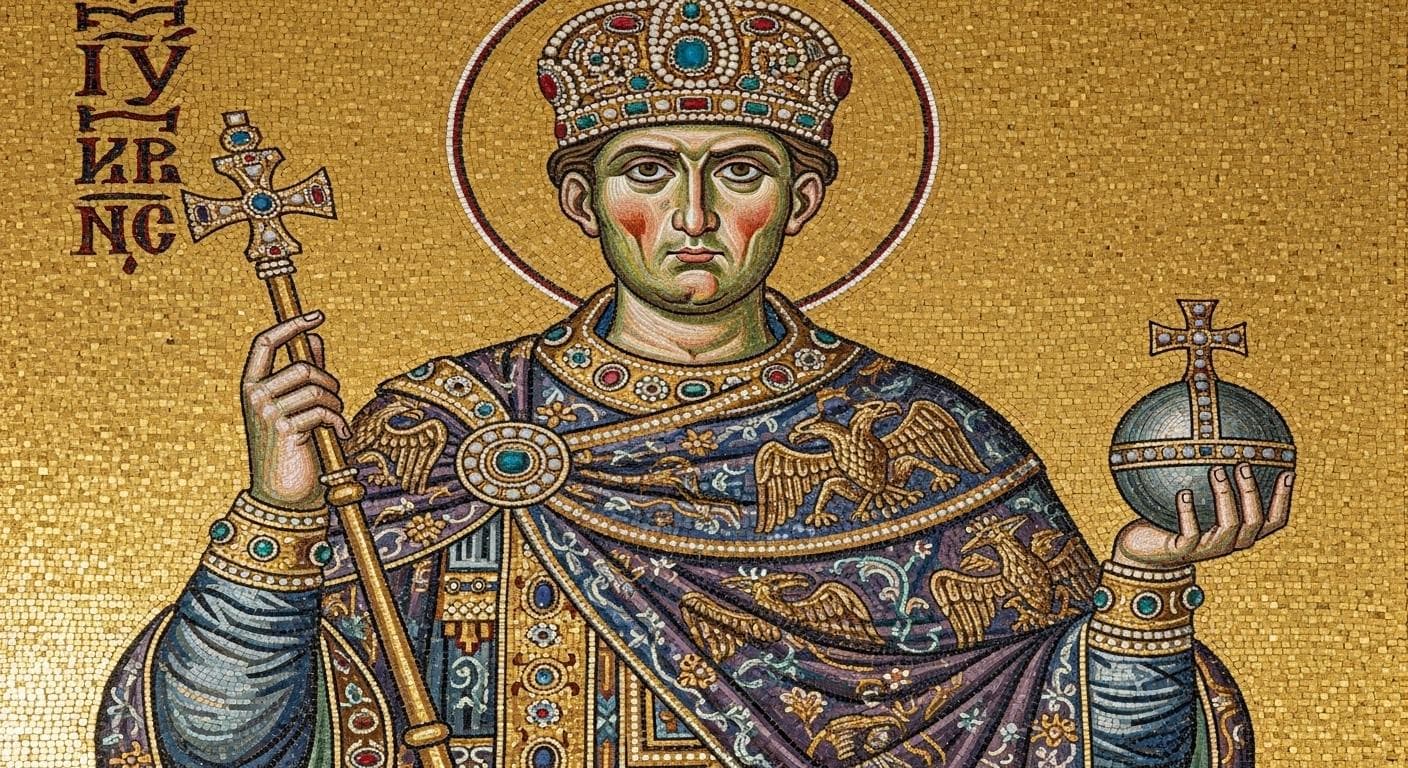
Odoacer deposed the young emperor, but there was no grand battle, no dramatic last stand. He simply executed Orestes and forced Romulus to abdicate. In a remarkably anticlimactic move, Odoacer spared the boy's life, exiled him with a pension to a comfortable estate near Naples, and declared himself King of Italy. He sent the imperial insignia - the diadem, scepter, and purple robe - to the Eastern Roman Emperor Zeno in Constantinople, signaling that the West no longer needed an emperor of its own. The institution, hollowed out for decades, had finally been retired.
The Central Question: How Did It Come to This?
The image of a barbarian king ruling from a Roman throne is a powerful one. It begs the question: how did a superpower that once commanded a quarter of the world's population become so fragile that it could be dismantled by one of its own mercenary generals? The fall of Rome wasn't caused by one thing - not just by barbarian invasions, internal corruption, or economic troubles. It was a cascading failure of military and political decline, where each problem compounded the others in a fatal feedback loop. To understand this collapse, we must look back centuries before the final act, to when the first cracks appeared in the empire's foundations.
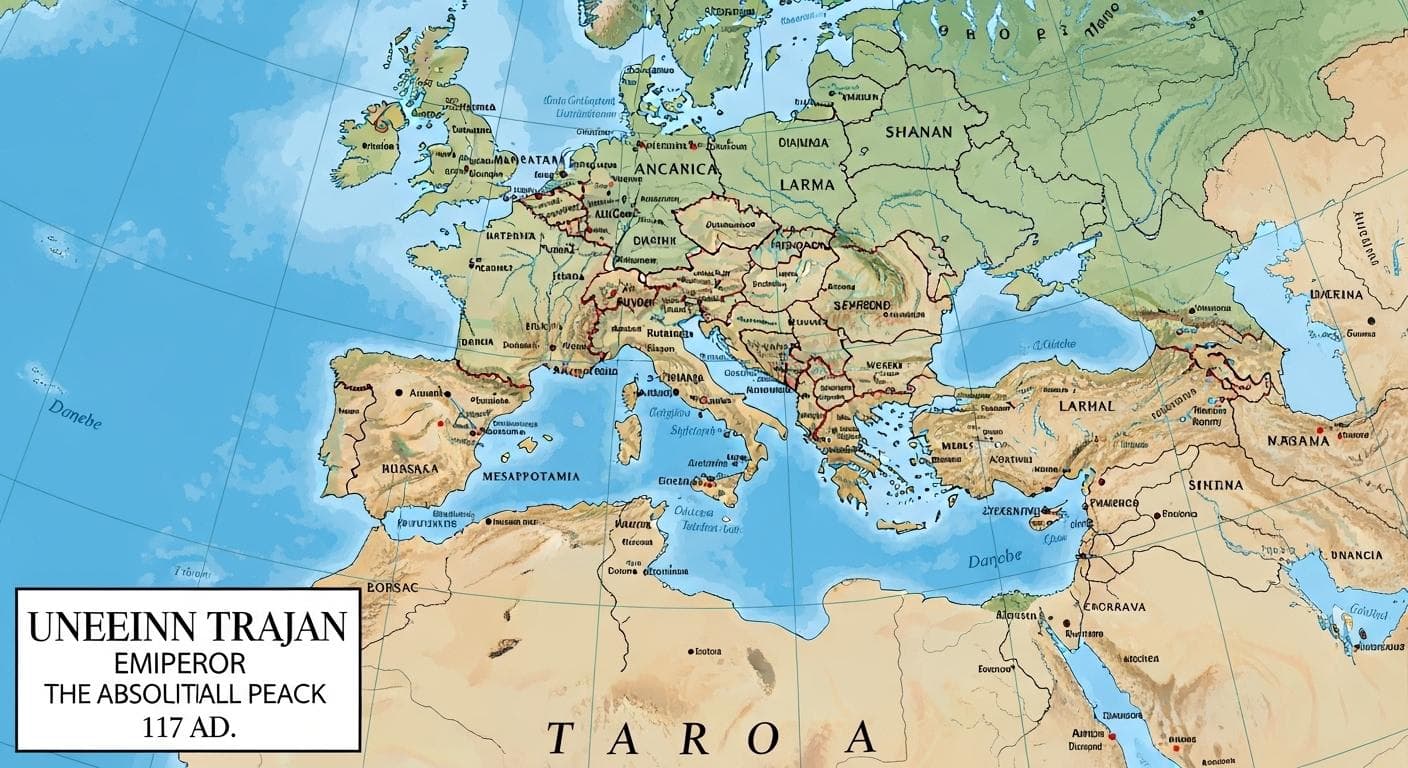
Seeds of Decay: Cracks in the Pax Romana (c. 180-284 AD)
For nearly two centuries, from 27 BC to 180 AD, the empire enjoyed an era of unprecedented peace and prosperity known as the Pax Romana, or "Roman Peace." Trade flourished, cities grew, and the vast administrative machine ran with remarkable efficiency. This golden age, however, masked underlying weaknesses that would be brutally exposed when the quality of leadership faltered.
The End of Good Emperors: Commodus and the Dawn of Chaos
The turning point is often cited as the reign of Commodus (177-192 AD), marking the dawn of Rome's internal decay. Son of the philosopher-emperor Marcus Aurelius, Commodus was his father's opposite: vain, erratic, and driven by ego rather than duty. His rule was marked by political purges, self-indulgence (he famously fought as a gladiator in the Colosseum), and a neglect of state affairs. His assassination in 192 AD plunged the empire into a vicious power struggle. The year 193 AD became known as the "Year of the Five Emperors," as multiple generals vied for the throne, ushering in an age where military might, not senatorial approval, became the primary path to power.
The Crisis of the Third Century: Civil War, Plague, and Economic Collapse
The chaos initiated by Commodus's death spiraled into the Crisis of the Third Century (235-284 AD), a near-fatal 50-year period of anarchy. During this time, more than 20 men - often called the "Barracks Emperors" because they were raised to power by their armies - claimed the title of emperor, most meeting violent ends. This constant civil war had devastating consequences:
- Political Fragmentation: The central government was too busy fighting itself to govern effectively. This led to the formation of breakaway states, such as the Gallic Empire in the west and the Palmyrene Empire in the east, which fractured Roman unity.
- Economic Ruin: Emperors, desperate to pay their armies, resorted to drastically debasing the currency. They minted coins with less and less silver, leading to hyperinflation that destroyed savings, shattered public confidence in the economy, and forced a return to a barter system in many regions.
- Pandemics and Depopulation: The Plague of Cyprian, a pandemic that swept through the empire in the mid-third century, killed millions, devastating the workforce, shrinking the tax base, and making it harder to recruit soldiers for the legions.
A Temporary Reprieve: The Reforms of Diocletian and Constantine (c. 284-337 AD)
The empire was pulled back from the brink by a series of powerful, authoritarian emperors, most notably Diocletian and Constantine the Great. Their sweeping reforms arrested the decline and stabilized the state for a time, but some of these solutions created new, long-term problems.
Dividing the Empire: A Necessary but Fatal Solution
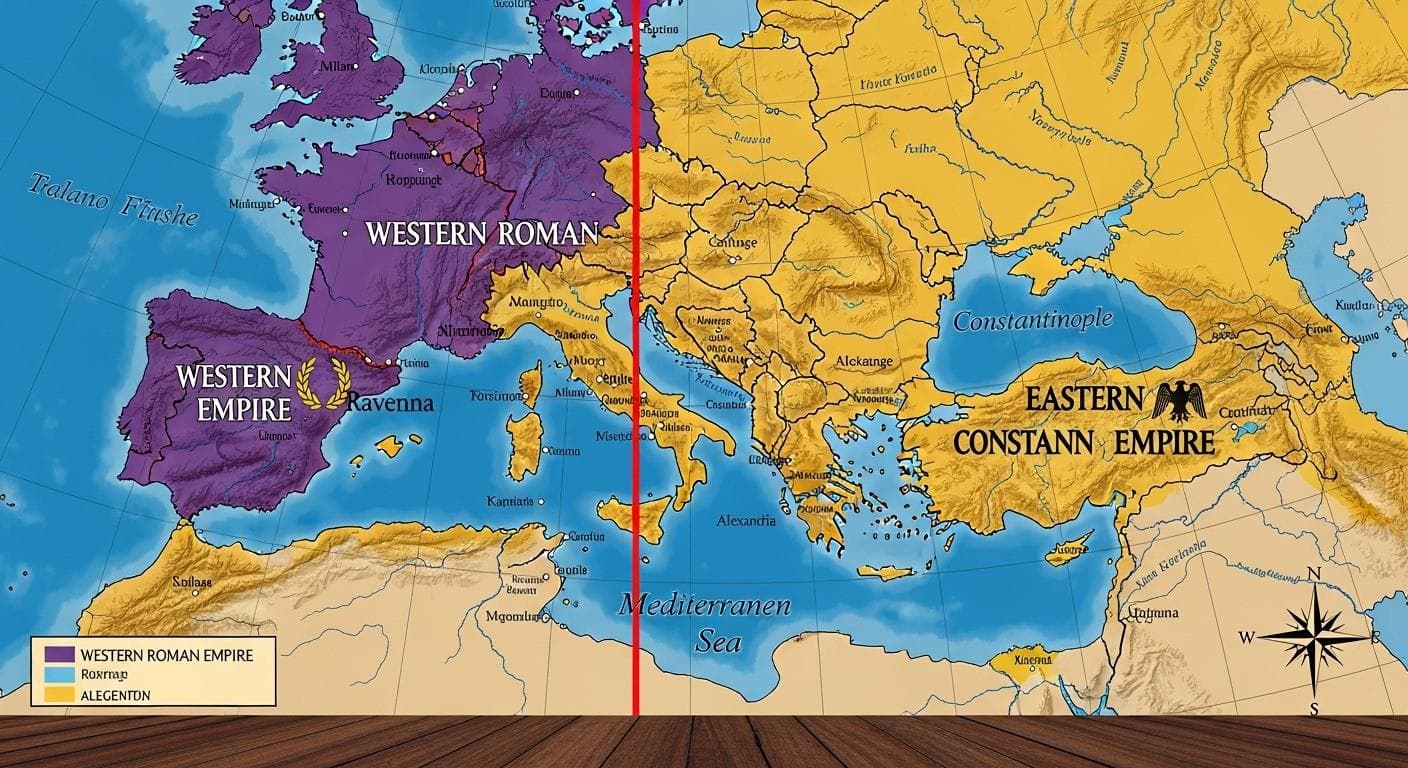
Emperor Diocletian (284-305 AD) concluded that the empire was simply too vast and complex for one man to rule effectively. He instituted the Tetrarchy, a system of four rulers (two senior Augusti and two junior Caesars) to govern different regions. He also reorganized the provinces and reformed the tax system to be more predictable, albeit more oppressive. This was a pragmatic management decision that eventually led to a permanent split. After decades of further conflict, Emperor Theodosius I was the last to rule a united empire. Upon his death in 395 AD, it was formally divided between his two sons into the Western Roman Empire (with its capital in Ravenna) and the Eastern Roman Empire (with its capital in Constantinople). This division was intended to make governance more manageable, but it ultimately meant the poorer, more vulnerable West would have to face future crises without the vast resources and manpower of the East, a topic explored further in why the Roman Empire split into East and West.
A New Capital and a New Religion: Constantinople and Christianity
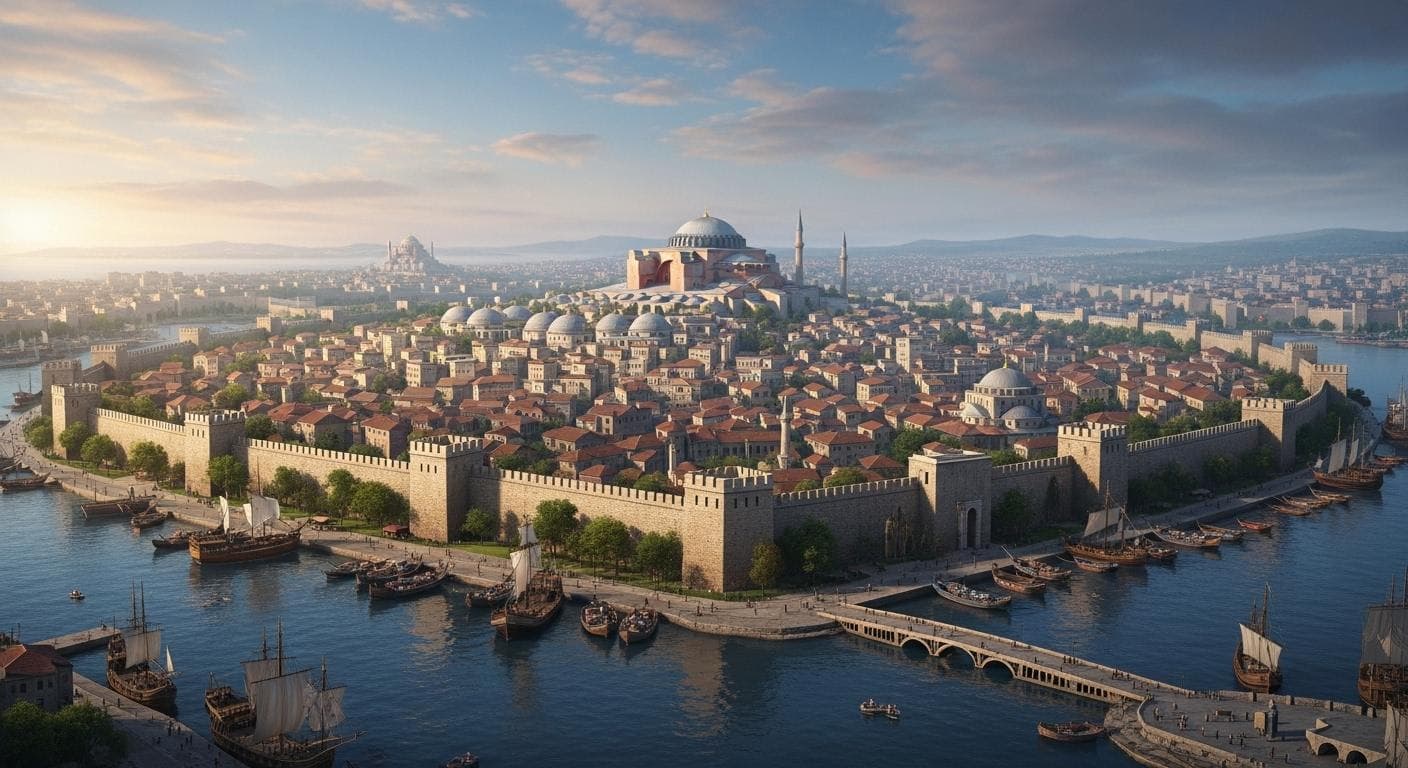
Constantine the Great (306-337 AD) made two decisions that would profoundly reshape the world. First, he established a new capital, Constantinople (formerly Byzantium), on the strategically vital Bosporus strait. This "New Rome" was heavily fortified, economically vibrant, and geographically easier to defend. Over time, it drew wealth, talent, and administrative focus away from the old Rome and the struggling western provinces.
Second, Constantine converted to Christianity. His Edict of Milan in 313 AD ended the persecution of Christians, and by the end of the century, Christianity had become the state religion. While this new faith provided a powerful unifying ideology for many, it also created new internal fractures. It led to violent conflicts with pagans, intense theological debates that turned into political schisms, and diverted significant wealth and resources to the Church, which previously would have gone to the state. This rise of Christianity profoundly impacted the enduring legacy of Rome and the Catholic Church.
The Cascade of Failure: A Perfect Storm of Problems (c. 376-476 AD)
The final century of the Western Empire saw all its underlying weaknesses converge into a perfect storm. The stabilized but divided empire now faced a series of challenges it was structurally unprepared to handle.
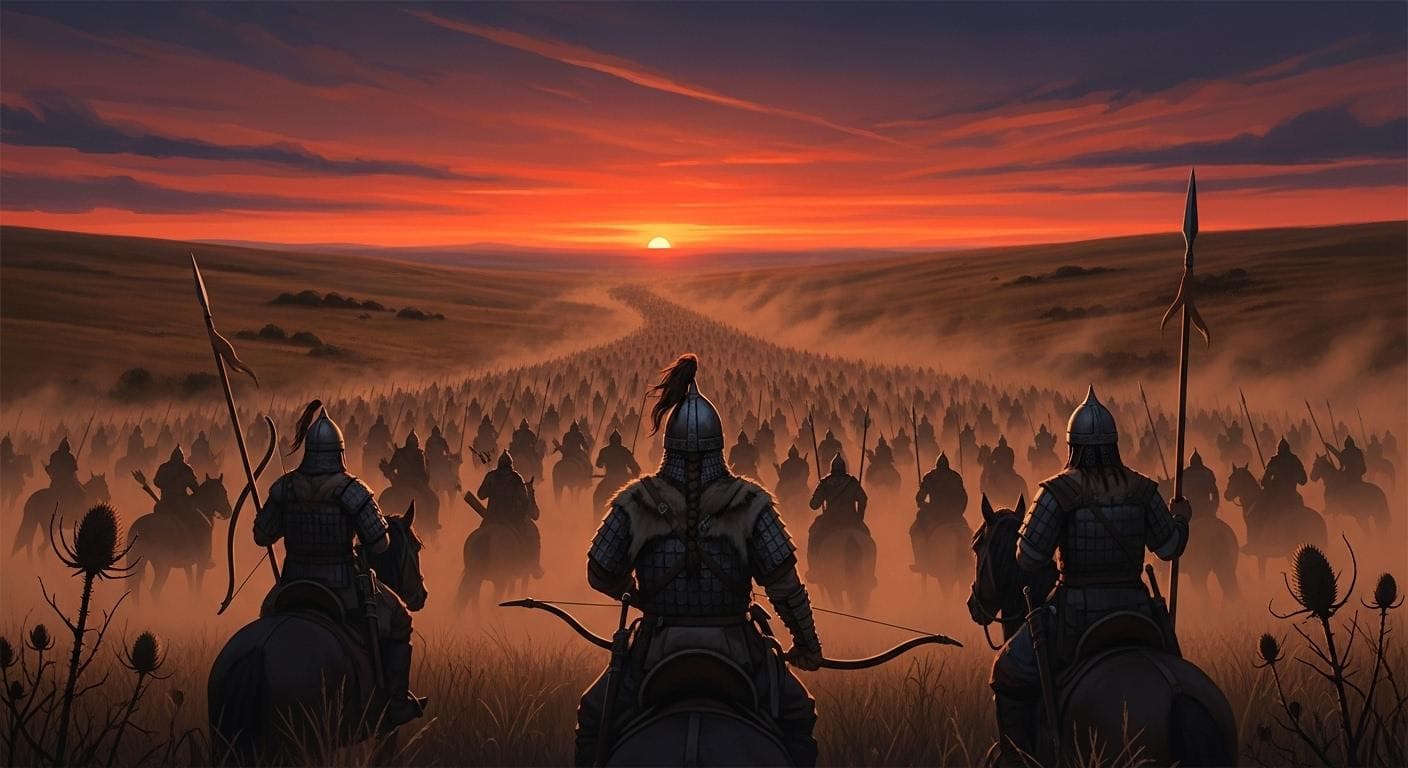
External Pressure: The Huns Push the Goths Across the Border
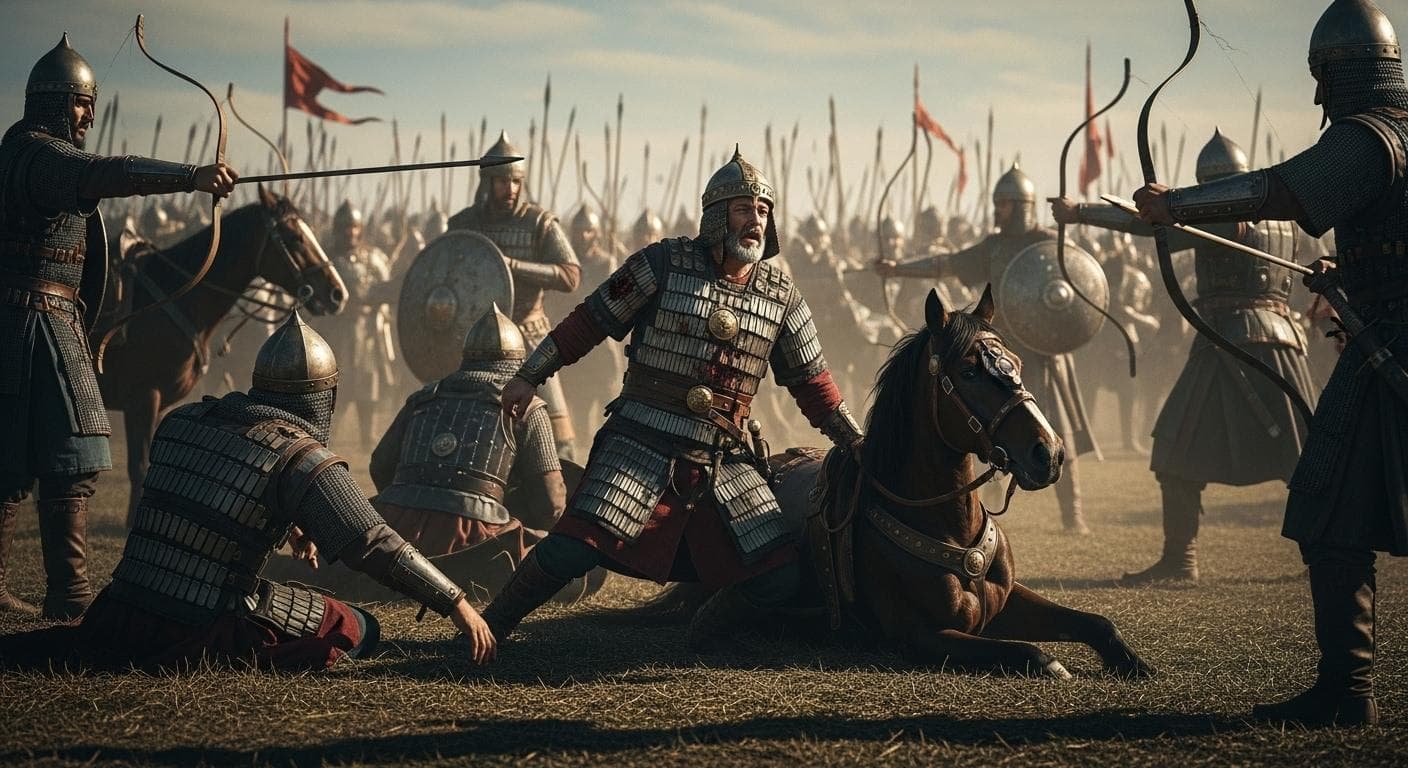
In the late 4th century, a fierce nomadic people from Central Asia, the Huns, swept into Eastern Europe. Their brutal conquests created a massive refugee crisis, as Germanic tribes like the Goths were displaced and pushed up against the Roman frontier on the Danube River. In 376 AD, a large group of Goths sought asylum within the empire. A competent and well-managed state might have integrated these people, turning them into farmers and soldiers. Instead, corrupt local Roman officials exploited and brutalized them, leading to a massive uprising. The resulting Battle of Adrianople (378 AD) was a catastrophe for Rome; a Roman emperor was killed in battle, and a large Roman army was annihilated. This defeat shattered the myth of Roman invincibility and signaled to other tribes that the empire's borders were porous, highlighting how Gothic migrations exposed Rome's weakness.
Military Decay: From Roman Legions to an Unreliable Mercenary Force
The once-mighty Roman army underwent a fatal transformation. Chronic economic problems meant the state could no longer afford to recruit, train, and equip the disciplined citizen-legions of its past. Instead, Rome became increasingly reliant on hiring entire tribes of barbarians to fight for it as mercenaries, known as foederati. These soldiers often had little loyalty to the abstract idea of Rome. They fought for pay and for their own chieftains, and their loyalties could easily switch if a better offer came along. This profound shift is a key part of Rome's military and political decline.
This trend was compounded by a crucial social shift. The traditional Roman senatorial class, the wealthy landowners, increasingly viewed military service as beneath them. They preferred lives of leisure on their vast estates and often paid commutation taxes to avoid conscription for themselves or their tenants. This left a void in the officer corps that was filled by ambitious men of non-Roman, often Germanic, origin. A new military aristocracy emerged that was disconnected from the old civilian elite, creating a state whose defenders had little in common with the people they were supposed to be defending.
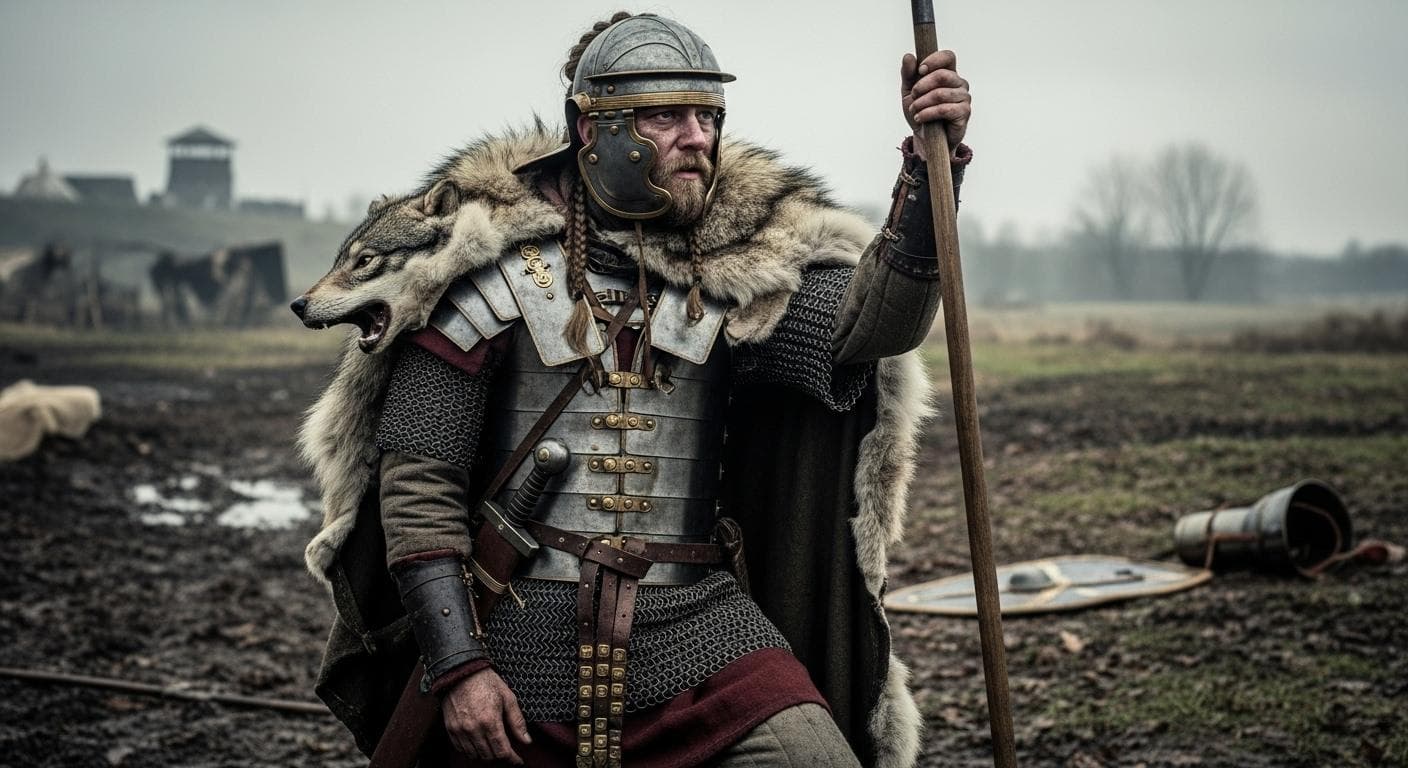
Political Rot: A Revolving Door of Weak and Ineffective Emperors
While the Eastern Empire in Constantinople generally enjoyed stable, competent leadership, the West was plagued by a series of weak, short-lived, and often child emperors. Real power was held by powerful military strongmen, or Magistri Militum, like Stilicho and Ricimer. These figures, often of barbarian descent themselves, acted as puppet masters, more concerned with their own power struggles than with the long-term health of the empire. This constant instability at the top prevented any consistent, long-term strategy for dealing with the empire's existential threats, further contributing to Rome's military and political decline.
Economic Ruin: Crushing Taxes and the Loss of the Richest Provinces
The economic death spiral that began in the third century never truly reversed in the West. To pay for its bloated military and bureaucracy, the state levied crushing taxes on the agricultural sector. Many small farmers, unable to pay, abandoned their lands or willingly became serfs under large landowners who could protect them from tax collectors. This hollowed out the class of citizen-farmers who had been the backbone of the early empire. The wealthy elite increasingly withdrew from their civic duties, using their influence to evade taxes and creating their own self-sufficient estates, further shrinking the state's revenue.
This dire situation was made catastrophic by the loss of key territories. In 429 AD, the Vandal tribe crossed the Strait of Gibraltar and conquered North Africa. This was a mortal blow. The province of Africa was the breadbasket of the Western Empire, supplying the city of Rome with most of its grain. Its loss not only caused food shortages but also deprived the state of immense tax revenues. Without the wealth of North Africa, the Western Roman state was financially crippled, unable to fund the army needed to reclaim it.
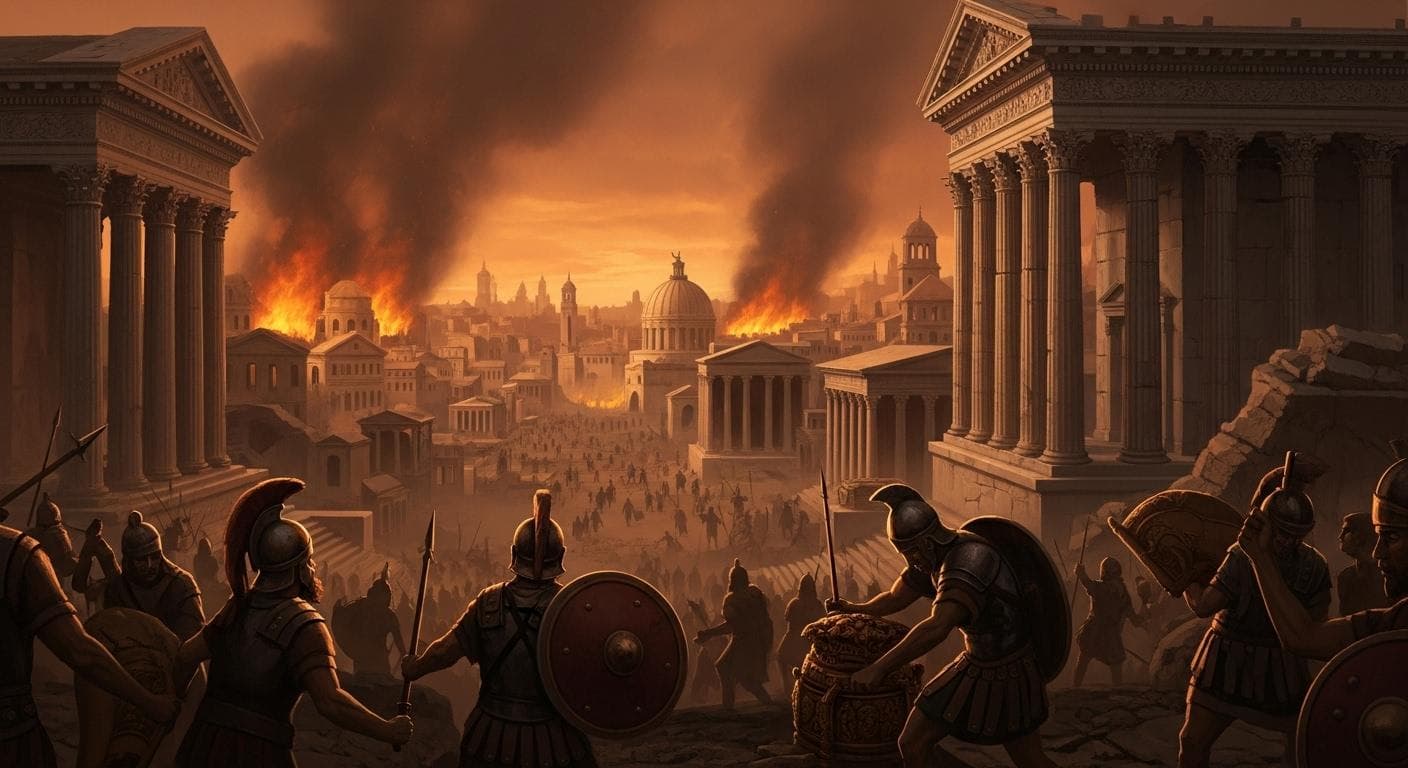
The Death Blows: The Sacking of Rome and Final Collapse
By the early 5th century, the Western Empire was a fragile shell. The final blows were not the cause of the fall, but rather the symptoms of an entity already in its death throes. The narrative of these final decades is one of accelerating decay, punctuated by moments of shocking trauma.
The Sacks of 410 and 455: The Psychological End of Roman Invincibility
Since its sack by the Gauls in 387 BC, the city of Rome itself had remained inviolable to foreign enemies for nearly 800 years. This changed forever in 410 AD when the Visigoths, led by Alaric, breached the walls and sacked the city for three days. While the physical damage was significant, the psychological impact was immeasurable. The news sent shockwaves across the Mediterranean world. If Rome itself could fall, what was safe? The event was so traumatic that it inspired St. Augustine to write his masterpiece, "The City of God," to explain how the heavenly city could endure even as the earthly one crumbled. Just a few decades later, in 455 AD, the Vandal tribe, sailing from their new kingdom in North Africa, sacked the city again, this time more brutally, cementing the reality that the empire could no longer protect even its symbolic heart.
476 AD: Odoacer and the Quiet End of the Western Empire
Viewed against this backdrop of military, political, and economic disintegration, Odoacer's actions in 476 AD seem less like a dramatic conquest and more like a final act of euthanasia. He wasn't destroying a vibrant empire; he was simply acknowledging that the Western Roman imperial government had ceased to be a relevant or functioning institution. The emperor was a fiction, the army was a collection of foreign mercenaries, and real power had already shifted to local warlords and landowners. Odoacer's coup was merely the moment the official paperwork caught up with reality.
Synthesis: The Interconnected Reasons for the Fall
The dramatic events of the 5th century were the final, fatal symptoms of a long illness. It is a mistake to view the reasons for Rome's fall in isolation. The true cause was a fatal synergy between them - a self-reinforcing cycle of decay.
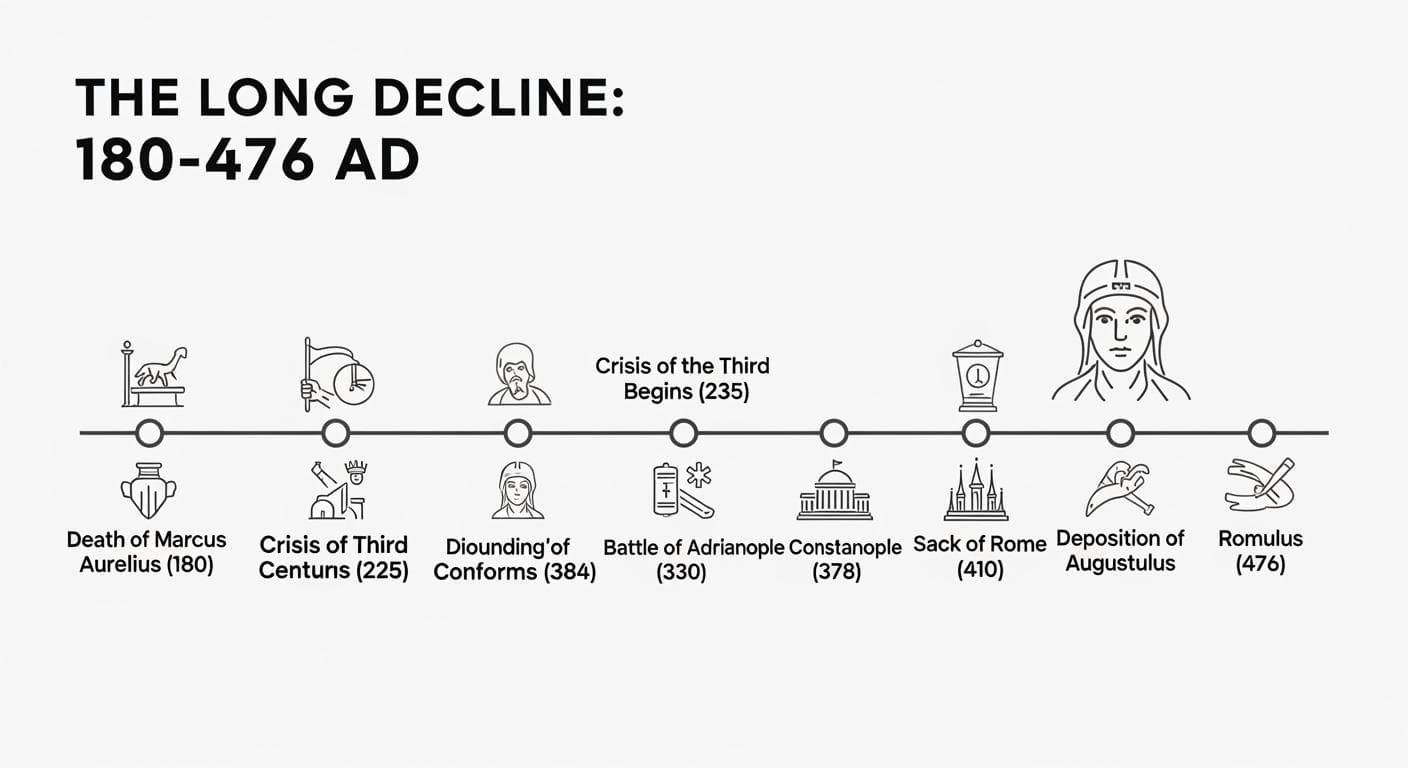
A Visual Timeline of the Decline
To understand the sequence of events, it's helpful to visualize the key milestones in this long decline.
How Political, Military, and Economic Failures Fed Each Other
Consider the feedback loop:
- Economic weakness (due to plague, inflation, loss of tax base, and the conquest of North Africa) meant the state could not afford a professional, loyal army.
- This forced a reliance on unreliable barbarian mercenaries, leading to military decay and the rise of a disloyal military aristocracy.
- A weakened military could not defend the borders from incursions or secure the provinces for tax collection, further worsening the economic crisis.
- Constant external threats and internal power struggles led to chronic political instability, with a rapid turnover of emperors who were unable to enact long-term reforms.
- This entire cycle was exacerbated by overexpansion and the immense logistical cost of defending thousands of miles of frontier. The system had become too large and too brittle to sustain itself.
Aftermath & Legacy: What Came Next?
The collapse of Roman authority in the West did not create a vacuum, but rather a new, fragmented European landscape.
The Other Half: Why the Eastern (Byzantine) Empire Survived
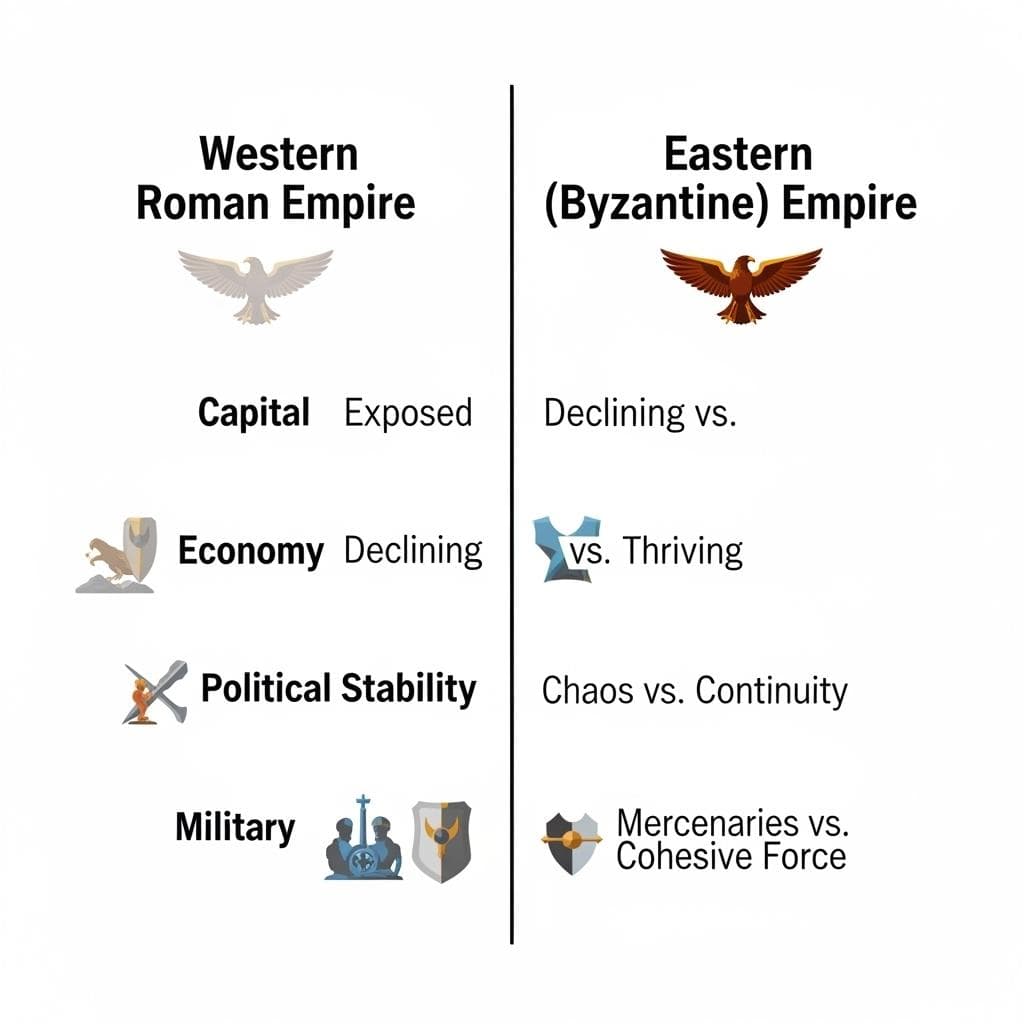
While the West crumbled, the Eastern Roman Empire, later known as the Byzantine Empire, not only survived but thrived for another thousand years, proving the wisdom, in part, of the great division. It succeeded because it was fundamentally a more resilient organization:
- Better Geography: Constantinople was a fortress, virtually impregnable to attack, unlike the more exposed city of Rome.
- Stronger Economy: The East contained the empire's wealthiest provinces, with vibrant trade routes to Asia and a larger population base.
- More Effective Leadership: The Byzantines largely avoided the constant civil wars and puppet emperors that paralyzed the West, enjoying more stable and competent governance.
Europe After Rome: The Rise of Successor Kingdoms
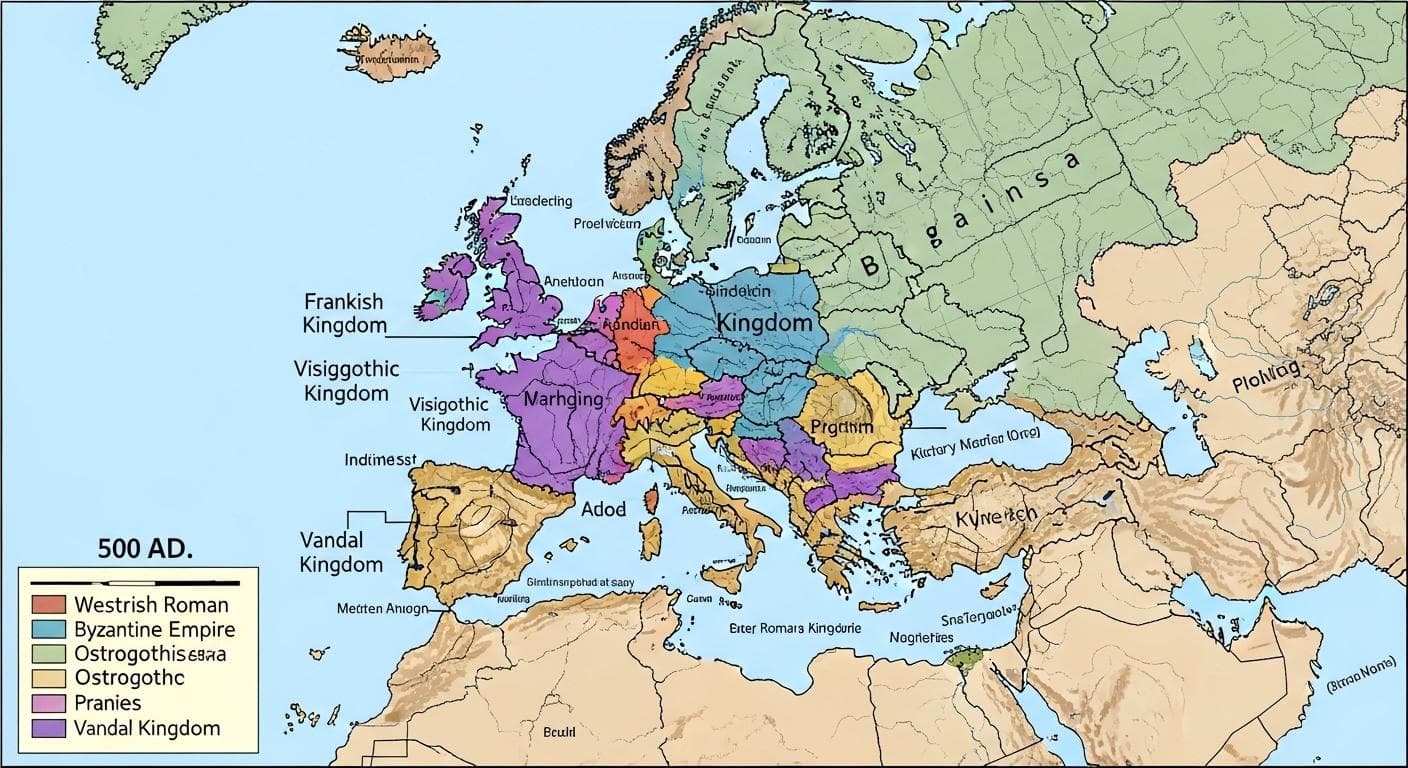
The period following 476 AD is often mislabeled the "Dark Ages." In reality, it was a period of transformation. Roman administration was replaced by a mosaic of Germanic successor kingdoms: the Franks in Gaul, the Visigoths in Spain, the Ostrogoths (and later Lombards) in Italy, and the Vandals in North Africa. These new kingdoms blended Roman and Germanic traditions, laying the groundwork for the medieval nations of Europe.
The Enduring Ghost of Rome: Law, Language, and the Church
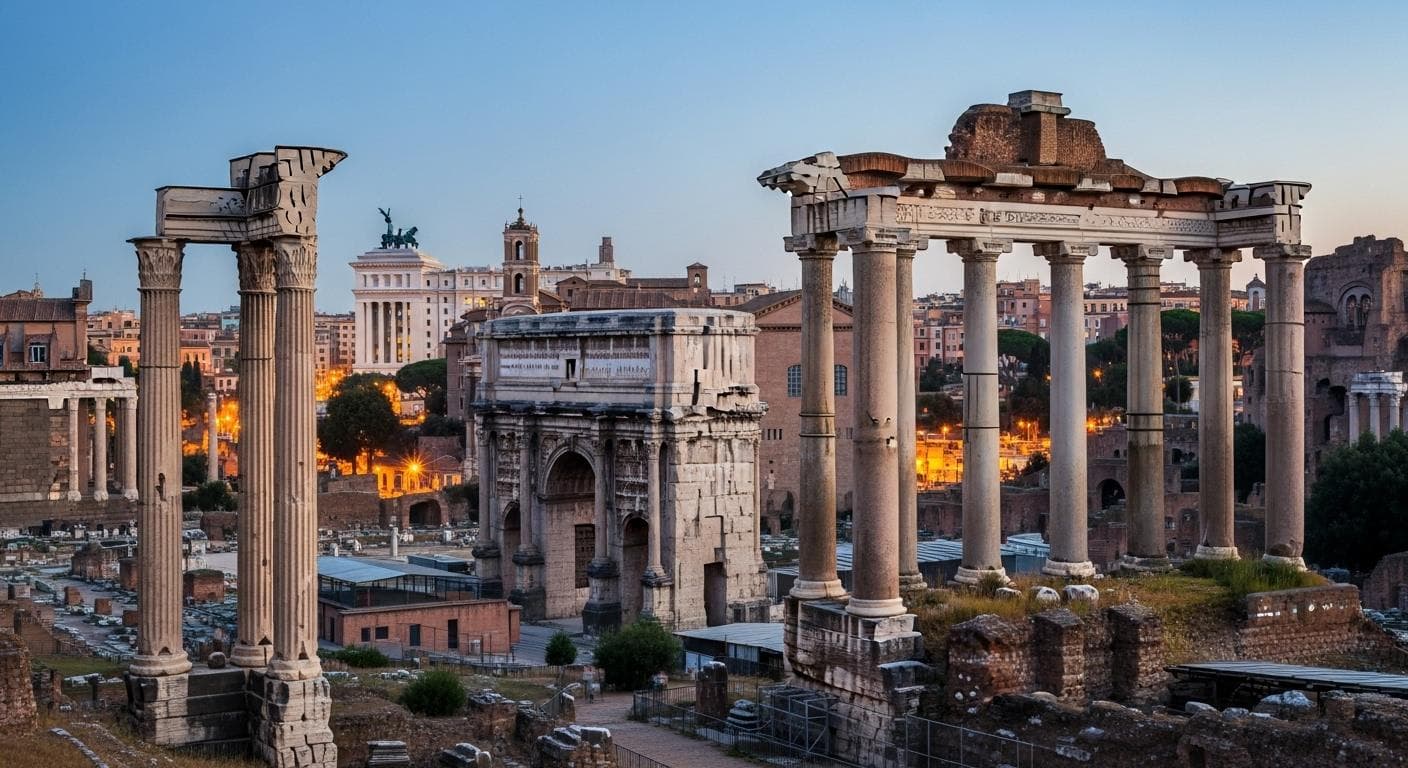
Though the empire as a political entity was gone, its ghost endured. Its legacy is woven into the fabric of the modern world:
- Law: Roman legal principles, such as the concept of being "innocent until proven guilty," form the foundation of many modern legal systems.
- Language: Latin evolved into the Romance languages (French, Spanish, Italian, Portuguese, Romanian) and provided the vocabulary for science, medicine, and law.
- The Church: With the collapse of secular authority, the Roman Catholic Church became the most powerful and unifying institution in Western Europe, preserving literacy, learning, and a sense of shared identity throughout the Middle Ages.
Could the Roman Empire Have Been Saved?
Historians debate whether there were key turning points where the collapse could have been averted. What if Theodosius had managed the Gothic refugee crisis more humanely and effectively, as discussed in the context of Gothic migrations? What if the supremely competent emperor Majorian (457-461 AD) had not been betrayed and murdered just as he was assembling a fleet to retake Africa from the Vandals, a crucial aspect of Rome's military and political decline? While different decisions at critical moments might have prolonged the empire's life, the systemic rot was likely too deep by the 400s. The interconnected problems of economic insolvency, military dependency, and political decay had created a downward spiral that was likely irreversible. The organization was too structurally flawed to adapt to the immense pressures it faced.
Conclusion: Are There Modern Lessons from Rome's Fall?
The fall of the Roman Empire remains a powerful and enduring cautionary tale. It wasn't conquered by a superior foe; it collapsed from within. It serves as a stark reminder that no power is permanent and that complex societies are fragile. The story of Rome's decline highlights timeless challenges: the dangers of political polarization, the consequences of extreme economic inequality, the difficulty of managing vast and diverse territories, and the existential threat posed by a failure to adapt to new realities, whether they be climate change, mass migrations, or technological shifts.
Rome’s collapse shows that even the mightiest superstructures can be brought down not by a single blow, but by the slow, grinding pressure of their own internal contradictions. It is a lesson in systemic failure that remains profoundly relevant over 1,500 years later.
What do you believe was the single most critical factor in Rome's collapse? Was it the failing economy, the political corruption, or the external military pressure? Share your thoughts in the comments below. ```

Comments
We load comments on demand to keep the page fast.